Feedback
AI Ad Video Example
Loading...
MiniMax H3 prompt
Turn a rough idea into a complete MiniMax H3 prompt — labeled references, timed scenes, camera moves and sound cues for 2K video with real audio.
All Tools
Discover our comprehensive AI-powered animation toolkit
MiniMax H3
MiniMax H3 AI Video Generator
Seedance 2.5
The Future of AI Video Is Here.
Seedance 2.0
The Future of AI Video Is Here.
Kling 3.0
Next-Gen AI Video Generator
Grok Video Generator
Create Videos from Text or Images with AI
MiniMax H3 video generator
MiniMax H3 AI Video Generator
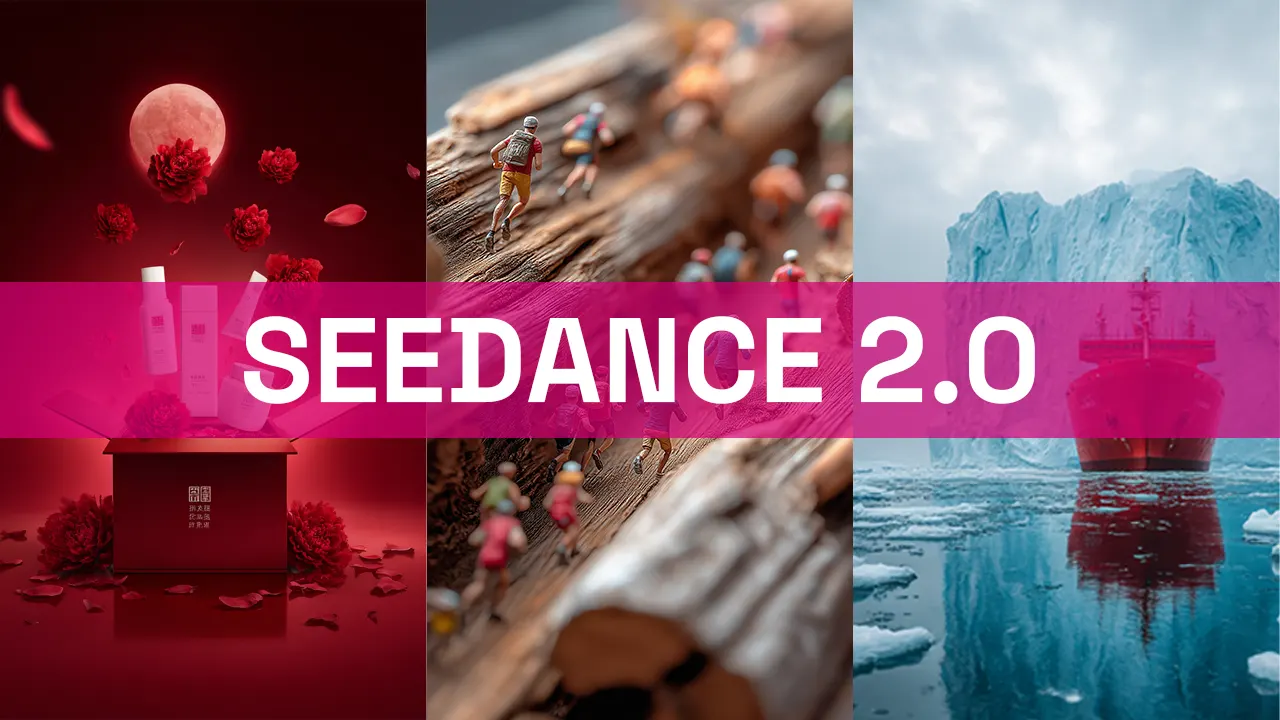
Seedance 2.0
The Future of AI Video Is Here.

3D Science Video
Create 3D science videos easily
Build Better Video With a Structured MiniMax H3 Prompt
A well-built MiniMax H3 prompt turns an open-weight multimodal model into a controllable production crew. The format accepts up to 7,000 characters, so you can label what each reference image, clip or audio file is for, split the action into timed beats, describe camera behavior, score the sound, and hold a character's look steady across every cut — all inside one request that returns 5-15 second, 2K, 24fps footage with native stereo audio.
- Name the Job of Every ReferenceThe habit that changes results fastest: spell out what each image, clip or audio file contributes — mood, talent, product, style or voice — before anything else in your MiniMax H3 prompt.
- Split Scenes Into Timed BeatsInstead of one long action line, mark blocks like [0-2s] and [2-4s] inside the same MiniMax H3 prompt so multi-shot sequences move with real narrative rhythm rather than a slideshow feel.
- Score the Sound, Don't Hope for ItTreat music, effects and dialogue as written elements of the MiniMax H3 prompt — sub-bass swells, hi-hat entries, foley hits and line timing — so the generated stereo track lands on the edit.
Four Steps to a Production-Ready MiniMax H3 Prompt
Draft a professional-grade MiniMax H3 prompt in four passes, from reference tagging to final render review.
MiniMax H3 Prompt Techniques That Shape the Final Cut
Six practical techniques from the MiniMax H3 prompt playbook — exclusion rules, identity locking, constrained edits, cinematography vocabulary, physical transitions and long-form control — that push output toward a finished, professional look.
Exclusion Rules That Steer the Model
State what must not appear — 'no soft dissolves', 'no garbled on-screen text', 'no sudden jolts' — and the MiniMax H3 prompt keeps unwanted artifacts out of the render.
Identity Locking Across Cuts
List the details that define a character, product or set — hair, wardrobe, props, typography — inside the MiniMax H3 prompt so they survive every timed beat and transition.
Constrained Edits Instead of Re-Renders
When you only need one change, pair the replacement with everything that must remain fixed in the MiniMax H3 prompt, and the model edits locally rather than rebuilding the whole clip.
Cinematography Vocabulary
Borrow the language of a camera department — shot scale, lens character, exposure, handheld sway, rack focus, wide-angle distortion, film grain — and write it straight into the MiniMax H3 prompt.
Transitions Written as Physical Action
Describe a cut as something the camera does — a whip, motion blur, optical smear, exposure flicker — which reads far better in a MiniMax H3 prompt than naming an effect.
Full Control at 7,000 Characters
A complete MiniMax H3 prompt can hold the entire shot list plus sound design — scene, beats, audio and constraints — with room to spare in a single request.
MiniMax H3 Prompt Questions, Answered
Straight answers to the questions people ask most when writing prompts for the MiniMax H3 video model.
What exactly is the MiniMax H3 prompt guide?
It is a collected set of practices for prompting MiniMax's open-weight multimodal video model. A solid MiniMax H3 prompt covers what each reference contributes, how the action is timed, how the soundtrack is described, what to exclude, which details to preserve, and which camera language to borrow — producing 2K footage with native stereo audio.
How much text can one prompt hold?
Up to 7,000 characters, which is enough for a full shot list with timed beats, camera direction, audio design and constraints inside a single MiniMax H3 prompt.
What's the best way to use several reference assets?
Give each one a stated purpose in the MiniMax H3 prompt — 'Image 1 for mood, Image 2 for talent, Audio 1 for voice' — with support for as many as 9 images, 3 video clips and 3 audio files per request.
Do I really need to describe the audio?
Yes. Sound deserves the same detail as picture in a MiniMax H3 prompt: name the musical structure, when instruments enter, which foley moments matter and how dialogue lands, so the native audio track matches your edit.
How do I keep a character looking the same throughout?
Describe the defining features — hair, wardrobe, props, set details — inside the MiniMax H3 prompt and restate them at each timed beat so the model carries that identity through every cut.
What tends to ruin a prompt?
Loose pacing and undefined style. Replace slideshow-style sequences with timecoded blocks, and use negative directions in the MiniMax H3 prompt to keep unwanted elements out.
Put Your MiniMax H3 Prompt to Work
Turn a written MiniMax H3 prompt into 2K video with native stereo audio — labeled references, timed beats, cinematic camera language and deliberate sound design, written out in a single request.